Permanent vacation lights made use of to bring a certain visual fine. You either coped with apparent plastic tracks and visible cords year-round, or you climbed up ladders every season and began again from square one. That compromise has changed. The best modern-day systems are created to go away right into the design when they are off, then give you crisp, regulated light precisely where you desire it when they are on.
That distinction matters more than many home owners expect. A roofline is one of the greatest visual attributes of a home. It specifies form, proportion, and visual charm from the road. If lighting interrupts that line, the house looks hectic. If the system follows it cleanly and silently, the lights really feels willful, almost constructed in. The outcome is less like seasonal decor and more like an outside design upgrade.
After seeing these systems on every little thing from portable ranch homes to steep two-story gables with challenging fascia details, something becomes clear: the success of permanent vacation lights has much less to do with brightness and more to do with restraint. Excellent layout conceals the equipment, appreciates the roofline, and uses color and positioning with discipline.
What "seamless" actually looks like
When home owners claim they want irreversible vacation lights that blend in, they typically imply two things simultaneously. First, they do not want to see the system during the day. Second, they do not desire the nighttime effect to look rough, dotted, or overdone. Those relate, however they are fixed in various ways.
Daytime invisibility boils down to placing location, track color, wire management, and exactly how well the installer checks out your house. Nighttime elegance comes down to diode spacing, beam angle, illumination control, and programming. A system can be nearly unnoticeable in daylight and still look cheap at night if the light is as well blue, too extreme, or poorly spaced. On the other hand, even a moderate setup can look refined if it tosses a soft wash under the soffit and follows the lines of the home cleanly.
That is why the phrase Permanent LED Lights Installation must mean greater than merely attaching lights to trim. It ought to indicate a customized installment that deals with the home as an ended up surface, not a hassle-free area to fasten hardware.
The roofline establishes the rules
Every residence informs you where the lights must go if you understand how to read it. Straight eaves on a colonial or craftsman home behave in a different way than the broken optimals and valleys on a modern-day suv build. Deep soffits produce softer mirrored light. Superficial overhangs usually need a lot more cautious angle control. Dark fascia hides components better than brilliant white trim, however white trim can look extremely tidy when the network is color matched correctly.
The best installations generally put the components under the soffit or just behind the fascia line so the light jobs outside without exposing the specific diodes from the road. That hidden placement is what gives the roofline a radiance as opposed to a string-light look. It is subtle when off, architectural when on.
On some homes, particularly those with little overhang or unusual trim information, there is no ideal universal placing factor. That is where experience programs. An installer might need to move positioning slightly to protect balance from the road, even if the measurements are not identical section by area. Aesthetic positioning matters greater than mathematical purity. A home is judged by the eye, not a tape measure.
I have actually seen one-story homes where a quarter inch difference in disclose made no functional distinction, and I have actually seen front gables where a little variance shouted from the visual. Rooflines amplify tiny blunders. That is why a seamless outcome relies on careful format before a single clip or track goes up.
Why shade temperature matters greater than many customers realize
A lot of individuals first shop for permanent lights by checking out color choices and app attributes. Those are enjoyable, however the everyday value commonly originates from the easiest setting: a cozy white that flatters the home.
For lots of residential properties, specifically block houses, rock exteriors, standard home siding shades, and homes in well-known neighborhoods, Classic Warm Soft Lights often tend to look far better than icy white or extremely saturated shades. Warm light draws out structure in block and wood, softens darkness, and really feels extra inviting from the road. It additionally avoids the industrial look that can happen when LEDs are too cool.
That does not indicate cozy light is constantly the appropriate solution. Sharp contemporary homes with black home windows and crisp lines can https://permanentledinstall355.inkharbory.com/posts/just-how-to-pick-the-very-best-irreversible-led-lighting-setup-for-your-residential-property bring a cleaner, cooler white without feeling sterile. The point is that the home itself need to assist the lights palette. Not every house requires the very same "holiday" appearance. In fact, one of the most appealing permanent holiday lights often invest most of the year doing understated tasks: a soft amber radiance for outdoor dinners, refined group colors on video game day, gentle white for evening aesthetic appeal, and after that fuller scenes throughout the holidays.
Brightness issues equally as much as shade temperature. Several homeowners are shocked by exactly how little outcome they really require. LEDs can be intense. What looks joyful in an item trial can look glaring on a quiet residential street. Lowering control is essential. A residence that glows gracefully at 30 percent frequently looks much better than one blowing up at 100 percent.
The equipment ought to disappear
If you can find the system from the driveway at midday, the installment missed the brief.
A clean install depends upon a number of little choices interacting. The channel or track ought to match the soffit or fascia as carefully as feasible. Bolts ought to be discreet and suitable for the product. Cords require to be tucked, concealed, and transmitted with a plan, not draped where the trim modifications instructions. Corners need to look intentional, not compelled. Changes around optimals, returns, and rain gutter areas should preserve straight aesthetic lines.
This is where more affordable systems frequently give themselves away. The LEDs might function great, however the sustaining hardware looks like a second thought. Visible loops of wire, irregular spacing, and tracks that do not rest flush versus trim produce a pieced-together appearance. It is hard to call that long-term illumination. It looks momentary that never came down.
A professional Permanent LED Lighting Installation must account for greater than simply electric operation. It needs to represent weather condition exposure, expansion and contraction, water drainage near rain gutters, accessibility to power, controller placement, and what the system looks like from five various angles in daylight.
There is also a practical difference between concealing lights and hiding problems. If an element ever requires service, the system must continue to be obtainable. The cleanest installments hide the hardware without making upkeep a headache later.
Matching the lights design to the architecture
One of the biggest blunders I see is selecting an illumination effect that deals with your house. The roofline might be elegant and controlled, however the programs is loud and restless. Or the home might be spirited and contemporary, but the positioning is so shy that the aesthetic impact disappears.
Traditional homes generally take advantage of steadier scenes, warmer tones, and softer changes. Historic-style exteriors, dormers, and in-depth trim hardly ever need aggressive movement impacts. The style currently supplies rhythm. The lighting needs to support it.
Modern homes can endure more contrast and sharper color moments, particularly if the lines are easy and the materials are smooth. Also then, self-control issues. A solid red-green cycle could benefit a couple of December evenings, but it can swiftly subdue a very carefully made exterior.
Homes with numerous front-facing gables are a diplomatic immunity. They commonly attract overlighting because there are a lot of sides to map. Yet describing every line equally can squash your house. In some cases the better relocation is to highlight the major roofline and allow secondary optimals play a sustaining function. That keeps the home legible from the street.
A good installer will have opinions about this, and that is typically a good indicator. You do not want someone who just states yes to every feasible placement. You want a person that comprehends proportion.
Installation information that make or break the last look
There is a large distinction between "lights connected to your home" and a system incorporated with the house. The gap is comprised of details.
The initially detail is spacing. Larger spacing can minimize visible mess during the day, however it might produce patchy light at night. Tighter spacing can boost the visual line after dark, however only if illumination is regulated. On homes with reduced eaves and brief obstacles from the street, way too much spacing or too much outcome becomes evident very quickly.


The second detail is angle. Some components wash light against the fascia and soffit, while others project much more outside. A mild modification in angle can establish whether the result feels soft and architectural or sharp and dotted.
The 3rd is connection at corners and tops. These are the places where rushed job shows up. Straight runs are easy. Corners disclose the installer's habits. A clean edge keeps the visual rhythm consistent and stays clear of awkward gaps. On facility rooflines, preserving also spacing via changes needs planning, not improvisation.
The 4th is power and control positioning. The cleanest-looking setup can still feel unfinished if the controller box is mounted where every person can see it. Outside tools should be shielded, obtainable, and discreet.
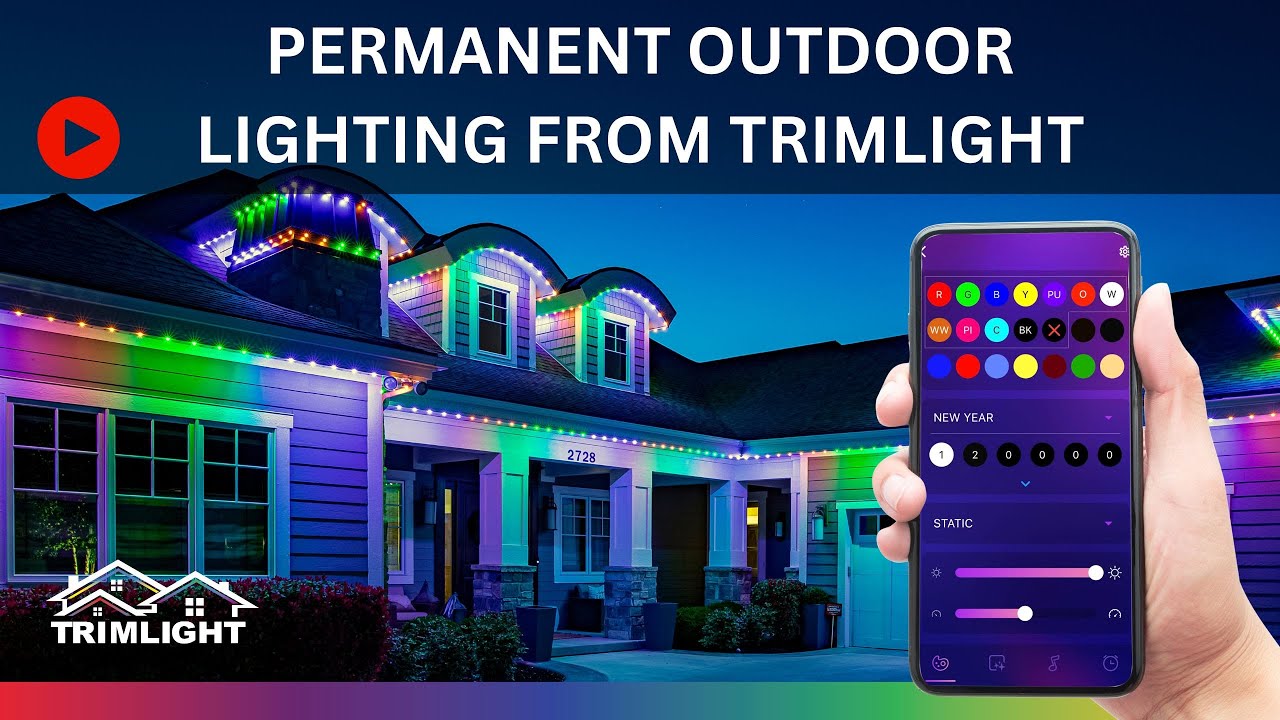
The fifth is calibration after installation. Lots of systems use numerous shades, but the useful job happens in the initial hour of arrangement: setting default illumination, choosing a believable warm white, stabilizing scenes across roofing system areas, and making certain one run does not appear brighter than one more. This step is commonly underestimated. It needs to not be.
A quick word on products and climate
Permanent holiday lights live outdoors all year. That appears noticeable, yet buyers occasionally go shopping as if they are choosing an indoor gizmo. Climate places real pressure on products. Heat can impact adhesive-backed solutions. Freeze-thaw cycles anxiety bolts and channels. Wind examinations any kind of area that is not placed firmly. UV direct exposure reveals inexpensive plastics quickly.
If you reside in a location with solid sun, seaside moisture, heavy snow, or quick temperature swings, ask especially how the system holds up in those conditions. Ask what components are probably to wear initially. Ask just how repair services are taken care of if a section stops working. A good response will certainly seem useful, not theatrical.
There is no outside system that is completely maintenance totally free for life. Resilient is not the same as never-ceasing. The goal is a system constructed from weather-appropriate parts and installed with reasonable assumptions. On a well-executed work, you might go years with just occasional app updates or the unusual solution phone call. On a hurried job, the weak points normally reveal themselves within the initial season or two.
Where irreversible holiday lights make one of the most sense
These systems are except every person, yet they resolve a certain set of troubles quite possibly. They are specifically appealing for home owners who are tired of ladder job, have tough roofing system gain access to, or desire a much more sleek exterior without seasonal hassle. Two-story homes, steep-pitch roofing systems, and homes with complex front elevations are frequently the strongest prospects because the effort of conventional designing is high and the aesthetic payback of an irreversible system is significant.
They also appeal to people who want more than Christmas lights. That wider use case matters. If the system only comes active for a couple of weeks in December, the worth formula can really feel narrow. If it acts as year-round accent illumination for celebrations, events, refined security existence, and day-to-day curb appeal, the financial investment makes more sense.
The home owners who end up happiest with irreversible holiday lights are generally the ones that want adaptability yet favor understated results the majority of the moment. They value alternatives, yet they do not want their home to resemble an irreversible event venue.
Questions worth asking prior to you commit
A quick product trial can be influential, however setup top quality figures out whether you like the system in 3 years.
Here are a few inquiries that cut through the sales language:
Where precisely will the lights sit relative to the fascia and soffit, and will I see the components from the road throughout the day? Can the track or channel be matched very closely to my trim color? What does the warm white setup resemble on my details outside materials? How are corners, peaks, and cable shifts managed on a home with my roofline? If a section stops working, just how is it serviced without interrupting the bordering runs?Those concerns often tend to reveal who is selling a product and that is preparing an installation.
The worth of seeing a system on an actual house
Showroom demos and brief on-line clips hardly ever tell the whole story. If possible, watch a completed installment on a home that resembles your own in vogue or color. Take a look at it in daylight first. Stand across the street. Stroll the driveway. Notification whether the equipment catches your eye. After that look once more after dark and focus on the structure of the light, not simply the novelty of the colors.
This is commonly where property owners change their mind about what they want. An intense great white that seemed crisp on a phone screen might feel raw on actual home siding. A brilliant color chase impact that looked exciting in a coupon video clip may really feel too active on a quiet domestic block. By contrast, warm dimmed roofline lights usually looks much better in person than it carries out in media because its allure is subtle.
If you are assessing Permanent Vacation Lights for your very own home, count on the street view greater than the application user interface. The application matters, however no person judges your residence by your phone.
Cost, and what you are really paying for
Pricing varies commonly by area, roofing complexity, item kind, and installer experience. A simple one-story front altitude can land far below an intricate two-story cover with multiple peaks and long terms. What matters is comprehending what the quote includes.
You are not just paying for LEDs. You are spending for design judgment, color-matched products, risk-free access, clean routing, weather-ready installing, electrical assimilation, arrangement, and assistance. On challenging homes, labor and craftsmanship are typically the genuine worth. A cheaper quote can be flawlessly affordable, however it can likewise suggest shortcuts in camouflage, track top quality, serviceability, or finish.
When comparing quotes, concentrate on what the system will look like when it is off. That is the condition it will certainly be in most of the year. A refined nighttime demonstration does not compensate for daytime clutter.
The most typical errors house owners regret
A few patterns show up again and again, and many are avoidable.
- Choosing a system based on application features before verifying just how unseen it looks in daylight Installing lights also subjected on the fascia, where the individual nodes stay visible from the street Using brightness levels that overpower the style rather than enhance it Treating every roof edge similarly, which can make a home look level and extremely busy Underestimating the importance of cozy white tuning and winding up with a cool, commercial feel
These are not disastrous mistakes, but they are the reasons some long-term lights jobs look custom-made and others look generic.
A roofline should still appear like a roofline
That may appear evident, yet it is the very best test for whether a system is functioning. When the lights are off, the roofline needs to review easily and naturally, without a noticeable layer of hardware completing for interest. When the lights are on, the architecture must still lead. The lighting ought to reveal the shape of your home, not change it.
That is the actual assurance of a well-executed permanent illumination system. It eliminates the seasonal labor, yes. It includes benefit and programmability, yes. But the much deeper worth is aesthetic. It offers home owners a means to celebrate, delight, and elevate aesthetic charm without endangering the house itself.
The toughest jobs are the ones that reveal restriction. They make use of camouflage, cautious positioning, and thoughtfully chosen setups to make the lighting seem like component of the home. That is particularly true when the system leans into Classic Cozy Soft Lights for day-to-day use and conserves the dramatic effects for the moments that call for them.
If your goal is a home that feels polished in December and attractive in July, smooth integration with the roofline is not a small information. It is the entire job.